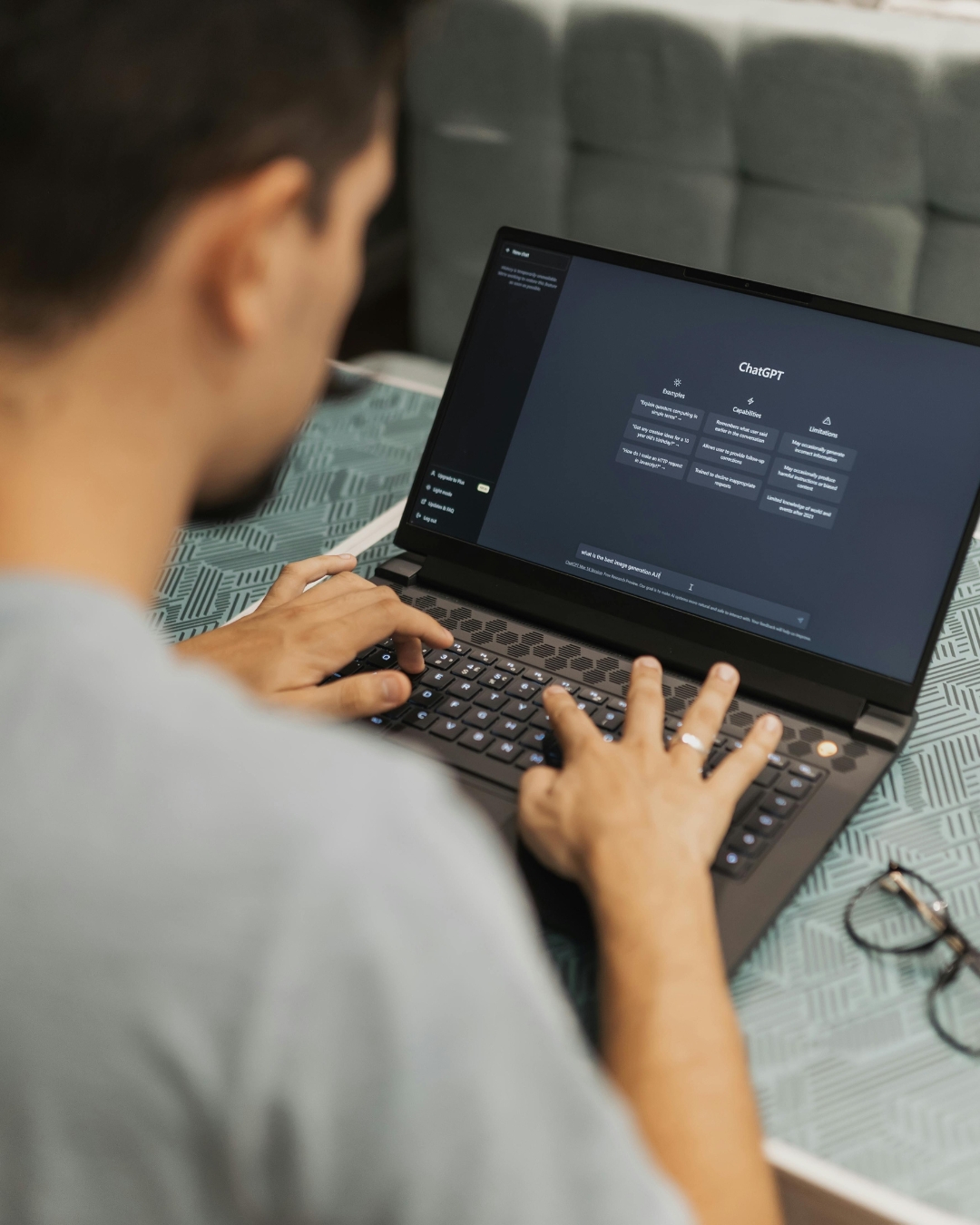
AI use in workplaces is growing quickly. A 2025 global study of more than 32,000 workers across 47 countries found 58 percent of employees report using AI at work, with roughly a third using it weekly or daily. Tech Xplore+1

Many employees say AI improves efficiency, idea generation, and work quality. McKinsey & Company+1

As your small or medium-sized business grows, you’ll face more complex employment law questions. When those issues arise, one big decision often follows: should you hire an in-house lawyer, or rely on external legal counsel?

While having a lawyer on your payroll may sound convenient, many growing companies find the costs and responsibilities outweigh the

Expanding into Canada? Compare Employer of Record (EOR), Professional Employer Organization (PEO), and staffing agencies. Learn which model best fits your hiring, compliance, and payroll needs.
Continue Reading Choosing the Right Employer Service Model in Canada: PEOs vs EORs vs Staffing Agencies

It’s 2025, and clients are using AI tools like ChatGPT in their legal matters. If you’re an HR professional or run a business, maybe you’ve seen a team member pull up ChatGPT to write a demand letter or question your workplace policies. Or maybe you’ve tried it yourself: “Can I fire someone for this?” or “Is this harassment under Ontario law?”

These tools aren’t going away. Just like WebMD changed how patients interact with doctors, ChatGPT is shifting the lawyer-client relationship. That can be a good thing, with the right boundaries.Continue Reading When Clients Use ChatGPT for Legal Advice

AI Policy for Businesses

In the digital era, artificial intelligence (AI) is becoming increasingly intertwined with our daily lives, especially in the ways we do our work. From voice assistants to chatbots to art generators, AI has found its way into various industries, transforming the way work gets done. As AI continues to advance, it raises important questions about its ethical implications and potential impact – good and bad – on the workplace.  The bad should not be ignored.  How much damage might be done to your organization if AI was not used responsibly by an employee?

I’m sure many in the legal industry are familiar with the recent news stories about the New York lawyer who relied on ChatGPT to assist with his research and drafting.  The chatbot provided the lawyer with case law precedents that simply did not exist.  The AI system entirely fabricated the cases.  The lawyer did not verify this information and attempted to rely on these cases in court to a disastrous and embarrassing result.Continue Reading Does Your Workplace Need an AI Policy?

For this week’s blog, we have gathered a list of the top 10 mistakes commonly made by freelancers and startups when hiring their first employee.  Avoiding these pitfalls will help start you off on the right foot and avoid the hiring headaches!

We’ve also covered our Top 10 list in this month’s SpringForward Legal Updates

At SpringLaw, we are interested in privacy, technology and how they intersect in the workplace. A recent arbitration decision brought all three together and gives us some insight into how decision makers might treat evidence collected via surreptitious surveillance.

In Vernon Professional Firefighter’s Association, IAFF, Local 1517 and The Corporation of the City of

The minimum wage that every Ontario employer must pay their employees has gone up from $11.25 to $11.40 per hour, effective October 1, 2016.  The Ontario Employment Standards Act sets out further details for specific categories of employees, such as students, liquor servers, hunting and fishing guides, and homeworkers.

For those workplaces that employ